Crime Scene Cleanup
Crime scene cleaning begins after police release and covers blood, odor and the affected property.
See crime scene cleanupGet blood, bodily fluids, contaminated materials and odor removed after investigators release a home, rental, business or vehicle in Elmore County. The cleanup scope is based on where contamination traveled.
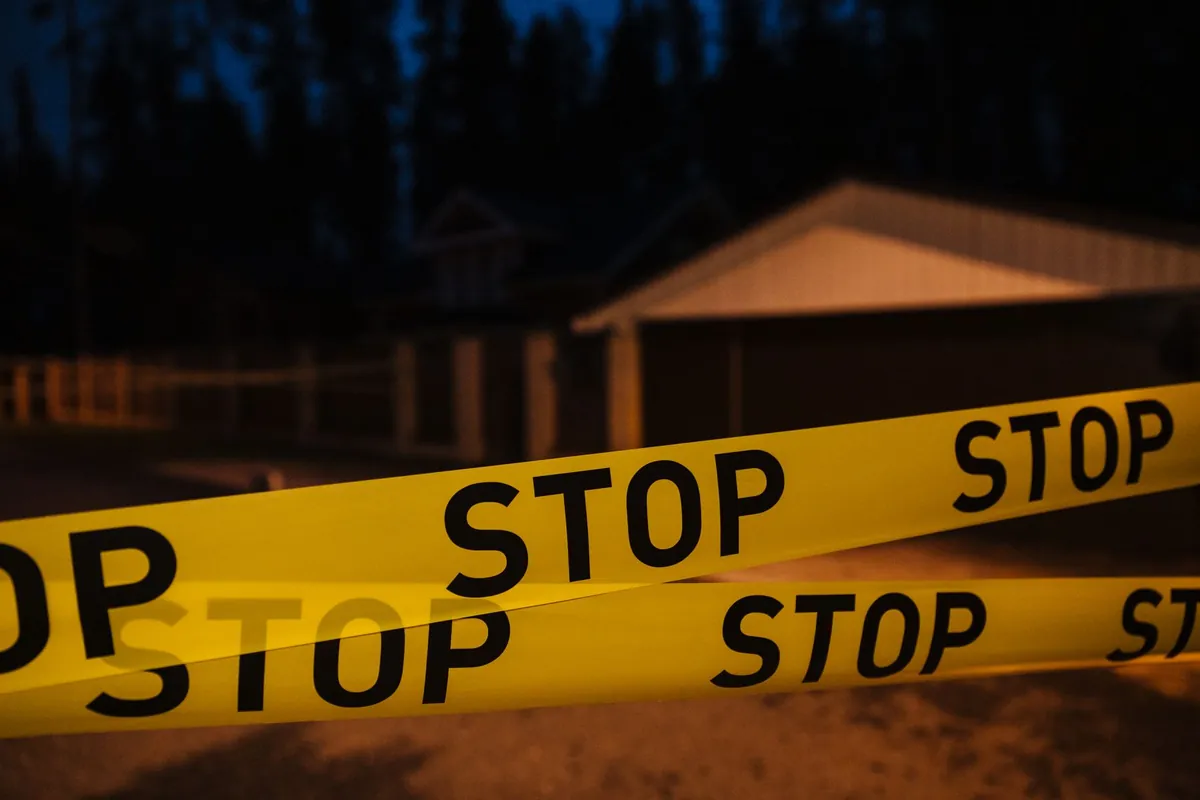
Homicide cleanup is specialized crime scene work performed after investigators complete their duties and release the property. It removes bodily fluids, blood and other contaminated materials.
While the medical examiner or coroner and law enforcement concentrate on investigative duties, they do not clean what remains at the property. Homicide cleaning can be arranged after release of the scene by an authorized person, including an owner, landlord or relative.
Ordinary cleaning services do not cover the full process. Cleanup technicians protect rooms outside the scene while locating affected material in the immediate space and nearby areas. They treat surfaces that are cleanable and remove those materials where disinfection is not possible. Odor treatment, the packaging and disposal of hazardous waste, and requested records for an insurance company are also included.
When discussing the loss with property owners and insurance companies, you can use photos, inventories, scope notes and disposal paperwork.
During a painful event, privacy can be supported when you limit entry to approved people and ask that crews arrive in unmarked vehicles.
You can request details about cleaning, necessary removals, waste movement off the property and the work left for restoration.
Personal property that may be saved is separated so you can discuss it before deciding what needs removal.
Homicide cleanup services are needed when a violent death leaves blood or other biological material in a home, rental, business or vehicle. Common situations include:
Blood that appears on the surface may travel behind trim or below flooring, leaving a wipe incomplete.
A bedroom, hall, living area and surrounding exposed surfaces may all require blood cleanup after the event.
Seats, carpet, trim and insulation are checked to decide what can be cleaned and what must be removed.
A landlord or authorized property manager may arrange scene cleanup after police release the unit and the family removes essential belongings.
Before technicians enter for cleanup, focus on staying away from exposure, preserving helpful claim details and respecting the active investigation. Your first steps are:
Call (888) 351-0904A typical violent crime scene runs $2,500 to $9,000 according to published guides. Smaller homicide scenes are listed lower, at $2,000 to $6,000 and larger ones higher, at $3,000 to $10,000 each. Treat these as planning figures rather than a quote. The assessment of your scene decides the final scope.
Published national cost guides are the source for these ranges, rather than an inspection of your property. After an on-site assessment, the price for your property is determined and shared with you before cleanup begins.
Ask about cost: (888) 351-0904Insurance may pay toward homicide cleanup through a commercial, homeowners or renters policy. Coverage is determined by the loss, the policy and its deductible.
Responsibility for arranging the work and covering the cost can vary with local law, ownership, insurance terms and the lease. Landlords and tenants should contact their insurers.
Victims of violent crime can ask the Alabama Crime Victims Compensation Commission, which lists crime scene cleanup among its expense categories, whether cleanup costs can be included in a compensation claim. Insurance is usually checked first.
Once police release the property, explain the event to your insurer. Check if coverage includes restoration, biohazard cleanup and damaged structural materials.
Find out which waste documents, photographs, item inventories, invoices and scope records the insurance company requires. Make copies of all materials before submission.
After scene release, a controlled order guides the remediation work. Each step reflects how far contamination went, which items can remain and the waste rules that govern the material.
Technicians check contents, nearby surfaces, possible travel paths and flooring edges after an authorized person identifies the affected areas already known.
The cleanup area is isolated from unaffected rooms. To reduce tracking into other areas, cleanup technicians wear appropriate personal protective equipment and follow work-zone controls.
Before detailed cleaning and disinfection, visible bodily fluids and blood are gathered using a method appropriate for each surface.
If carpet, drywall, pad, subfloor or upholstery cannot be thoroughly disinfected, removal is limited to the minimum workable area.
Each retained surface receives detailed scene cleaning, then an EPA-registered disinfectant stays wet for its full label contact time.
Targeted treatment and air filtration can address odors in connected spaces, room air and retained materials once the source has been removed.
Contaminated waste is sealed, labeled and moved according to applicable rules, with disposal records retained when available.
The closing assessment examines completed work, returns salvageable personal property according to the agreement and records removed finishes for restoration services.
You can call anytime. A homicide cleanup specialist answers, explains the steps and agrees a start time with you.
Serious health risks may remain in bodily fluids, blood and contaminated material out of sight. Those risks can still be present if the visible spot appears dry or limited.
Hepatitis B, hepatitis C and HIV can be carried through blood. According to the CDC, hepatitis B remains viable on surfaces for at least seven days, meaning dried blood needs careful controls.
Under applicable medical waste requirements, saturated porous items and worn protective equipment may need regulated packaging, disposal and transport.
Seeing the affected space can cause loved ones deep distress. Direct contact with the affected room and personal property can be avoided by family members through professional cleanup.
Can you clean it yourself? Disposable gloves may be used to clean a minor amount of fresh blood from hard non-porous material, along with an EPA-registered disinfectant left for the entire label contact time. Stay out and seek professional cleanup if blood affected drywall, fabric, wood, carpet or any space whose boundaries are uncertain.
Whether an item absorbed blood helps determine what remains. Porous material usually requires removal, while non-porous surfaces may stay when all exposed parts are reachable for disinfection.
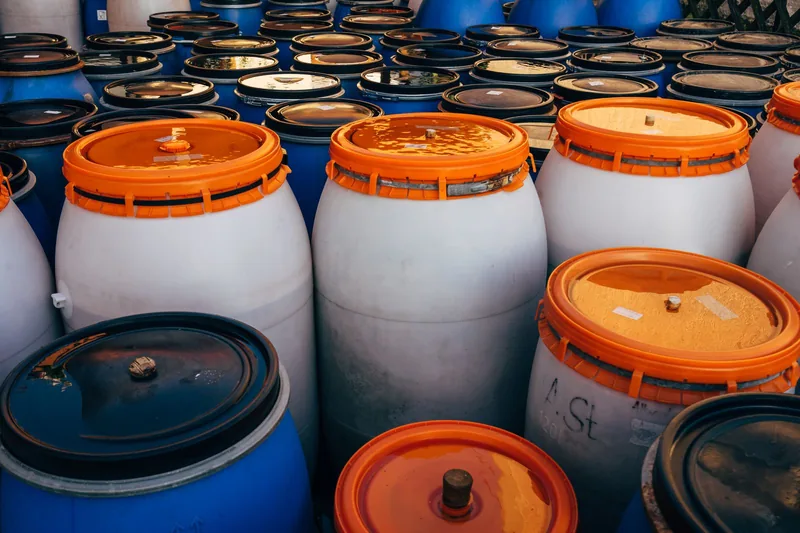
The OSHA Bloodborne Pathogens Standard, 29 CFR 1910.1030, establishes requirements for worker protective equipment, training and controls for exposure.
A disinfectant should be EPA-registered for the intended use and remain on the surface for the full contact time shown on its label.
Alabama treats soaked materials from a biohazard scene as medical waste when they are saturated to the point of dripping blood. The Alabama Department of Environmental Management's rules control packing, transport and treatment, so it cannot go in household trash.
Alabama uses a county coroner system, with no statewide medical examiner, and the Alabama Department of Forensic Sciences performs autopsies and supports death investigations for coroners. Cleanup starts after police or the coroner release the scene.
The time required for homicide cleaning depends on how large the scene is, how deep contamination went, how many rooms are involved, available access and how much material needs removal. A useful schedule can be discussed following the initial assessment.
The full homicide cleanup guide covers what is cleaned or removed, odor and air quality work, and the rules that apply in Alabama and Elmore County.
Read the full homicide cleanup guideLocal population patterns, housing and site access may affect how containment and cleanup are planned.
In an area with 8.3% renter occupancy, direct homeowner approval can simplify choices about opening walls or replacing affected finishes.
Homes centered around a 2001 build year may have open layouts, which can allow odor to reach adjoining living areas.
About 80 older residents live alone in Redland, equal to 8.8% of seniors and still relevant to welfare planning.
A single-family share of 92.7% makes private entrances useful for discreet equipment movement during a sensitive cleanup.
Ask on the call about cleanup options for neighboring communities and ZIP codes.
Crime scene cleaning begins after police release and covers blood, odor and the affected property.
See crime scene cleanup
Blood cleanup on carpet, hard floors, walls and furniture with safe disposal.
See blood cleanup
Following accidents, violence or injuries, trauma scene cleanup addresses the affected area.
See trauma scene cleanup
Fluids, odor and impacted belongings are addressed when a home is cleaned after a death.
See death cleanup
Families are spared from facing the scene through discreet and considerate suicide cleanup.
See suicide cleanup
Cleanup after an undiscovered death includes odor control and the effects of days of decomposition.
See unattended death cleanup
Forensic cleaning of blood also covers investigation residue, tissue and fingerprint powder.
See forensic cleaning
Death odor removal targets the source through ozone treatment, hydroxyl and air scrubbers.
See death odor removalA homeowners policy might pay for homicide scene cleanup or death cleanup, but coverage varies according to policy language, exclusions, the event and the deductible. Contact the insurer before work begins. Ask the insurer about required documentation, biohazard cleanup, damaged materials, personal property and restoration before work starts.
Cleanup technicians first map the affected area and set containment. After putting on protective gear, technicians collect material they can see. They remove porous items beyond disinfection, clean surfaces left in place and follow the label contact time when using a disinfectant registered by the EPA. They then package hazardous waste and check the completed scope.
Both are forms of death cleanup and trauma scene cleanup, but the conditions can differ. Evidence-processing material may remain at a homicide scene, which is controlled by law enforcement until formal release. Because the person was not found immediately, an unattended death commonly brings decomposition and odor concerns across a larger area.
Both authorities must clear the property first: law enforcement and the medical examiner or coroner. A relative, landlord, manager or owner with authority can then arrange cleanup. For biohazard remediation and blood cleanup, homicide cleaners can disinfect surfaces, treat odors and complete hazardous waste removal. Police conduct the investigation, but the cleaning service is not part of their work.
Once investigators approve entry, professional homicide cleaners can begin cleaning the murder scene. Containment, detailed surface cleaning, removal of absorbed fluid, disinfection, waste disposal and odor removal may be part of the job. Do not ask a family member to enter or clean a room that still contains bodily fluids or blood.
A policy may pay covered costs in full or in part once the deductible applies, but coverage is not identical for every situation. Give claim information to the insurance company and ask whether emergency response work, affected building materials, biohazard cleanup and restoration are covered. Retain all photos, work notes, bills and waste records.
You can request respectful, discreet homicide cleanup 24 hours a day, and crews use unmarked vehicles.